What staffing operators are actually automating
Screening, no-shows, timesheets, compliance. Every number sourced, every miss included. Written from inside live deployments, not from a vendor deck.
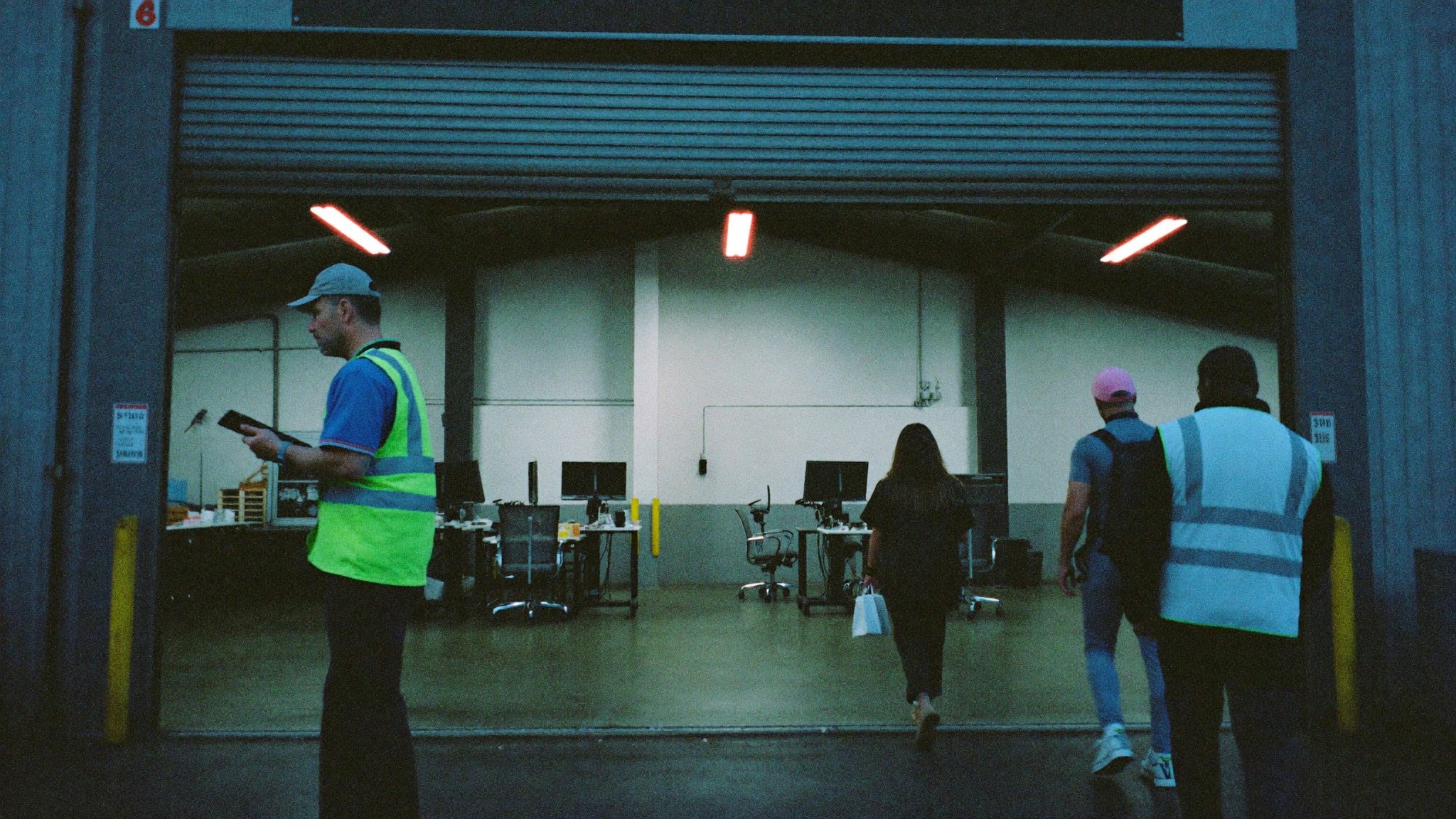
The Staffing No-Show Benchmark, 2026
Temporary shift workers do miss more shifts than salaried staff, but not by much. Our working estimate is about 5%, with a likely range of 3% to 8%. The 50% to 60% show rate used to sell against staffing agencies is roughly nine times worse than anything two governments measure for comparable work.
Read the post →
Umbrella reform: HMRC now comes to your agency first
Since 6 April 2026, if an umbrella company in your chain fails to hand over PAYE, HMRC can pursue your agency for the whole amount before it goes anywhere near the umbrella. There is no reasonable-care defence. Due diligence is now an early-warning system, not a shield.
Read the post →
Ghost workers: your agency is paying people who do not exist
A worker leaves in March and nobody closes the assignment. Hours keep arriving, the wage keeps landing, and your roster turns over so fast that nothing looks wrong. Caught inside six months, that costs a median $40,000. Left to run five years, over $1.1 million.
Read the post →
AI in hiring: what staffing firms should automate in 2026, and what they shouldn't
96% of US employers run a background check on every hire. Only 10% of staffing firms have AI embedded through their workflow. That gap looks like caution. It's confusion about where the line is.
Read the post →